The rising diagnoses of dementia in the UK demands swift and strategic responses from all sectors involved in care. A growing aging population combined with early-onset cases have not only put pressure on the NHS and care homes but have also challenged local authorities in their approach to holistic, patient-centred care.
According to the NHS, in England, approximately 676,000 individuals have been diagnosed with dementia, with the UK-wide figure standing at 850,000. The challenges don’t end with diagnosis: care homes and hospitals must aim to integrate their care methods, as families seek effective ways to support loved ones. Health and social care practitioners must come together to share best practice and innovative solutions to address these issues.
Join us at the Dementia Care Conference 2024 to gain insights into the latest initiatives, challenges, and best practices relating to dementia care. This conference will feature top-tier insights from team leaders, policy directors, and front-line workers. The conference promises to tackle critical issues such as personalised care in hospitals, technology’s role in dementia care, and best practices for supporting carers. You will be afforded the opportunity to engage with esteemed colleagues from the broader health and social care sector. This will facilitate collaborative discussions and address prevalent challenges in delivering effective dementia care.
Why Attend:
✓ High-level keynotes detailing the latest research, policies, and innovations in dementia care.
✓ Case studies illustrating excellence in integrated care, tech adoption, and carer support.
✓ Networking opportunities with professionals spanning the NHS, care homes, local authorities, and the voluntary sector.
✓ Gain 8 hours of CPD points towards your yearly quota
For more information or to make a booking please call 0330 058 4285




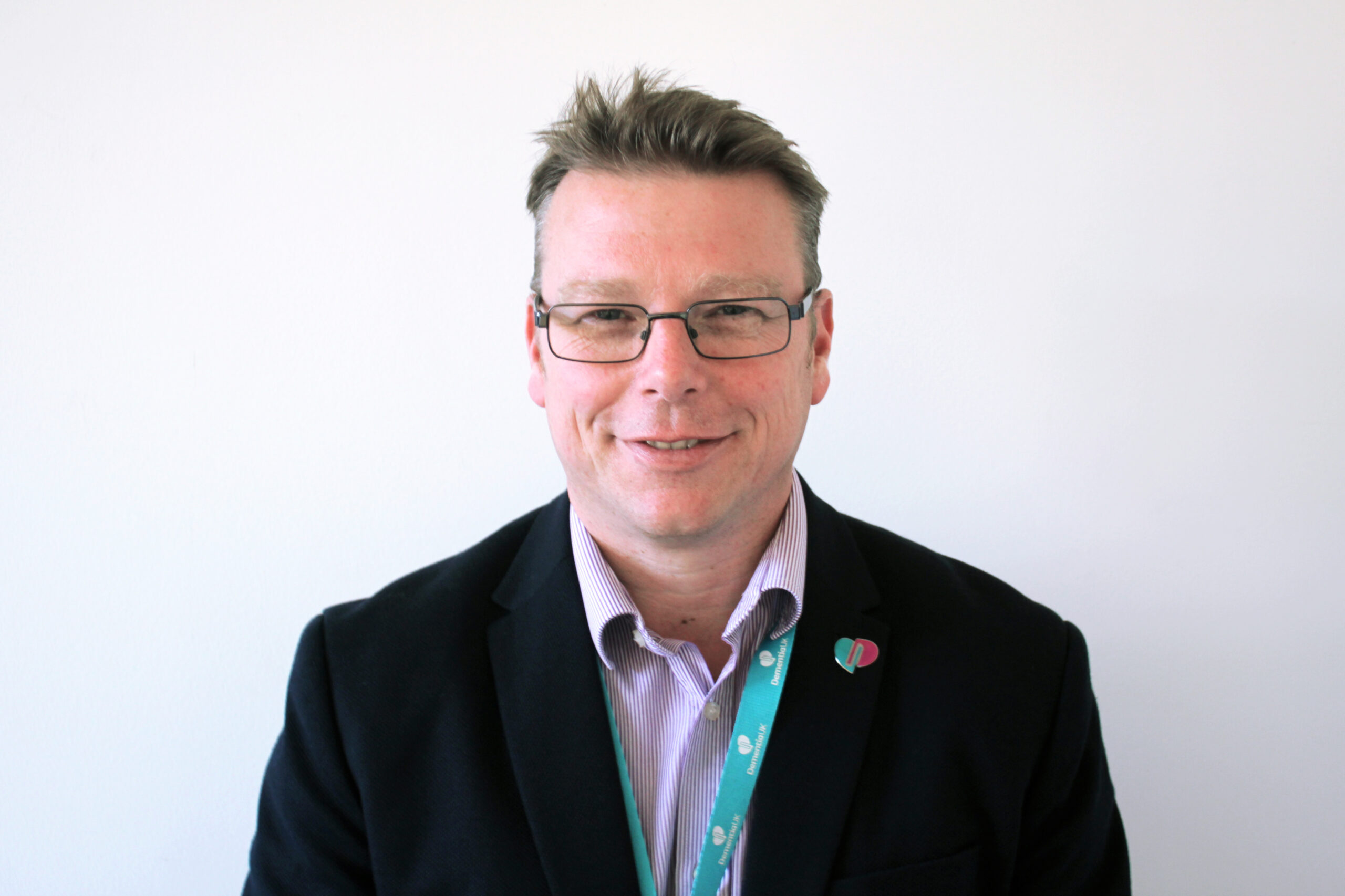

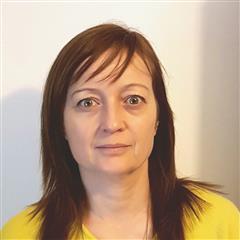


Paul has over 20 years’ of experience working as a nurse specialising in dementia care across the NHS, academia and the independent sectors. As Director for Clinical Services at Dementia UK, he is responsible for the development, governance and growth of dementia specialist Admiral Nurses to support families living with and affected by dementia.
Paul has published and spoken nationally and internationally on many issues surrounding care and support for people with dementia, including the need for an older people’s nurse specialist and highlighting the creativity and dynamism involved with a career in dementia care.
Professor David Sallah is the Chairman of the Board of Directors and Council of Governors of Birmingham Community Healthcare NHS Foundation Trust, the largest in the country providing services in Birmingham and the wider West Midlands health region.
Prior to this he held very senior leadership positions in the NHS, UK Government, higher education and the private sector. He has international profile as a researcher in mental health, and leadership of health services. He is passionate about, and promoter of better interventions in health and care practice and addressing inequities in education and health care. He is Emeritus Professor of Mental Health at University of Wolverhampton.
He led government commissioned review of what works in dementia education and training and chaired the Department of Health funded multi-agency steering boards that developed the Dementia, and Mental Health Core Skills Education and Teaching Frameworks for health and social care, and led the Department of Health’s programme for Delivering Health Equality in Mental Healthcare in England.
Jane Moore is an Associate Director with the NICE Field Team, where her role is to support health and social care organisations with using NICE guidance in practice, through engaging with health and social care organisations and staff at a national, regional and local level.
She previously worked as the National Project Lead for the Healthcare Quality Improvement Partnership, set up to promote excellence in quality evaluation methodologies in health. She was Head of Quality and Audit for a Mental Health Trust, has a background in Psychology and a Masters degree in Evaluating Clinical Quality.
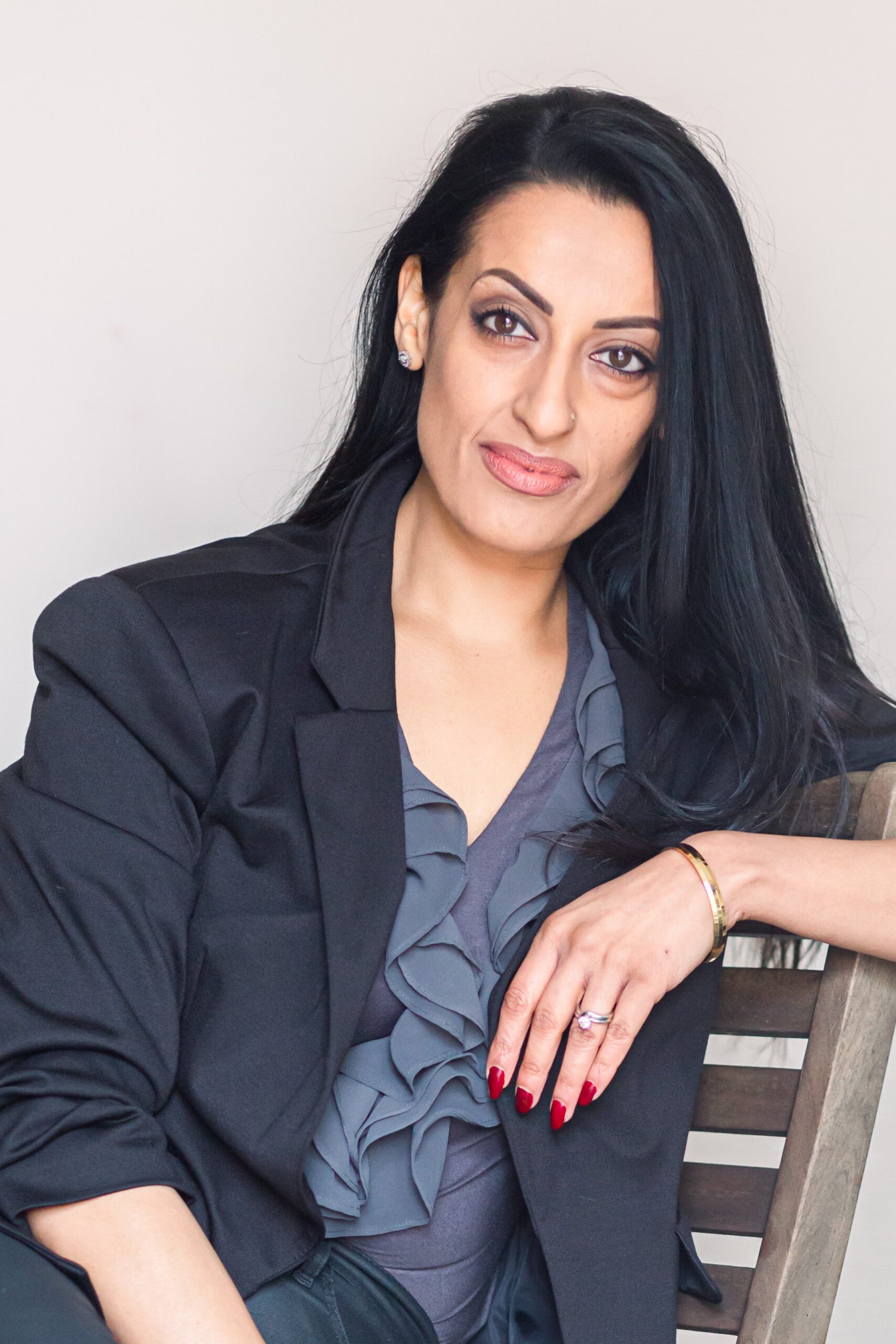
Dr Karan Jutlla is a passionate researcher and educator dedicated to promoting cultural inclusivity in dementia care. Her PhD researched experiences of caring for a family member with dementia for Sikhs living in Wolverhampton of the UK. This biographical study highlighted challenges with access to, and experience of, health and social care services – with such experiences being strongly linked to their experiences as migrants in the UK. Karan has since developed and delivered bespoke education and training programmes to support healthcare professionals and services to be culturally inclusive via a person-centred approach. As an academic, Karan’s research interests in the challenge of dementia care, particularly within South Asian communities have spanned over a decade. She continues to support policy makers, and health and social care service providers to potentially address and deliver superb outcomes for a hitherto neglected but growing part of the community. Karan has a ‘grass roots’ approach, and is passionate about ensuring that leadership level decisions are reflected in the quality of care received by service users. She has spoken at over 50 national and international conferences, including appearing on BBC Sky News, ITV Central News, BBC Radio 4 and BBC Asian Network. She is a Fellow of the Higher Education Academy and passionate advocate for supporting people to live well with dementia in South Asian communities. For more information about Karan, and her work, visit: www.drjutlla.com
Deirdre Lewis RMN MSc PgDip is a Consultant Nurse for Mental Health Services for Older People with the South Eastern Health and Social Care Trust in Northern Ireland. Deirdre has had a long career within dementia services working at both a local and regional level with a particular interest in dementia education and support for all care givers, and having co-produced one of the first dementia training resources that fully embraced person centred care. Deirdre has a particular interest in non-pharmacological therapeutic approaches for people living with dementia and is a trainer for Montessori Activity Programming© and for Sonus© and learns something completely new at every training engagement session! More recently Deirdre has been involved in developing a dementia companion service for the acute hospital wards and a dementia behavioural outreach support team for the community.
Alison is a Nurse Consultant in Dementia care at Cambridge and Peterborough NHS foundation Trust. She works within the acute pathway for older adults’ mental health services, supporting both the Dementia Intensive Support Teams and inpatient dementia wards. Alison has an interest in understanding the causes of crises for people living with dementia and improving the quality of care in inpatient settings. Alison is currently working on a project using music therapy to reduce agitation and distress.
I qualified as a general nurse in 2013 and dementia care has been my passion ever since. As the dementia link at a local community hospital, I was responsible for making both the ward and hospital dementia-friendly, through environmental changes and a programme of staff training of person-centred dementia care. After leaving the community hospital, I spent a year working on a nurse-led project, Compassionate IOM, where I trained and supported palliative care companions who are providing comfort for people at the end of life.
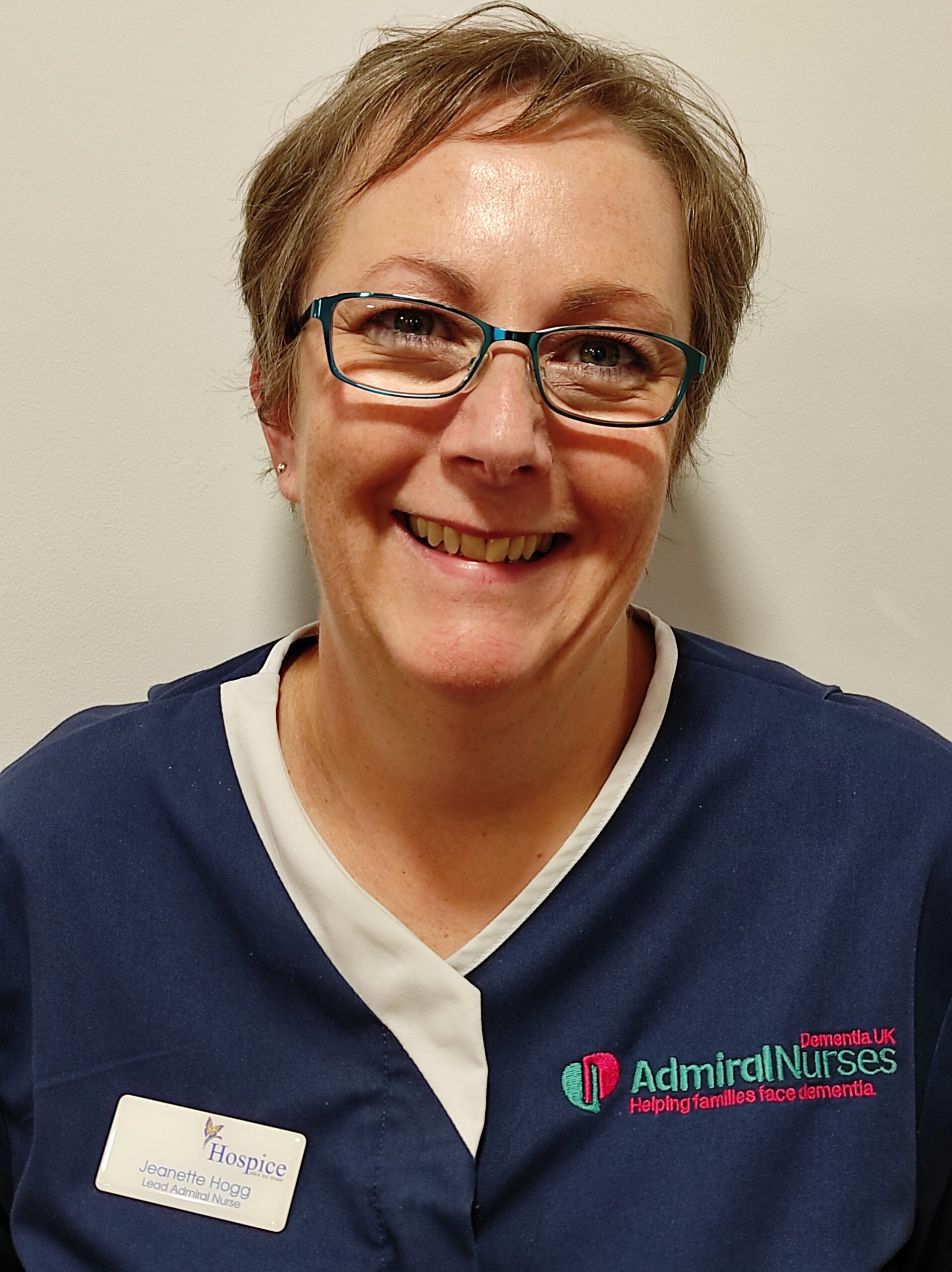
I have been in post as the Isle of Man’s first Admiral Nurse since January 2020. In that time, I have supported carers and people living with dementia through one to one support and group interventions; provided person-centred training to staff and volunteers both within and external to Hospice. I have developed an indoor bowling group and worked in partnership to obtain funding for a Creative Arts in Dementia project. I have presented at events nationally and internationally and was a finalist in the Commitment to Carers section of the RCN nursing awards in 2022.
Started my career working in a Dementia care home, as health care assistant. All clients had a story to tell. Some very challenging behaviours, and it was a lot to learn.
I changed route and worked for a training provider, delivering apprenticeships in health and social. Along with finding suitable work placements for young students in health and social care setting, as well as signing up existing staff in homes to complete relevant apprenticeship qualifications.
After that I progressed to work for an independent domiciliary care provider on the IOW and across the south coast. I delivered induction training in groups for all new care workers, refresher training yearly and update training for managers.
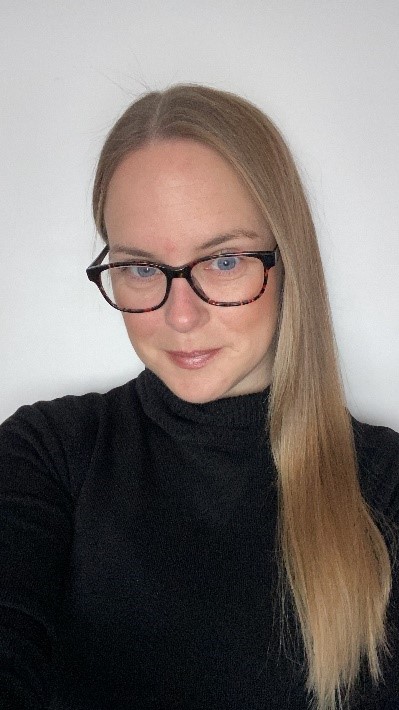
I left the care industry to work for an independent IOW charity supporting older people to stay independent in their own homes and to combat isolation. I have worked for the charity for 8 years this year. Now managing a team of dementia care navigators and older person mental health worker, all supporting people who have memory issues, awaiting a diagnosis or diagnosed. This is done through conversation with the person and any family members around them.
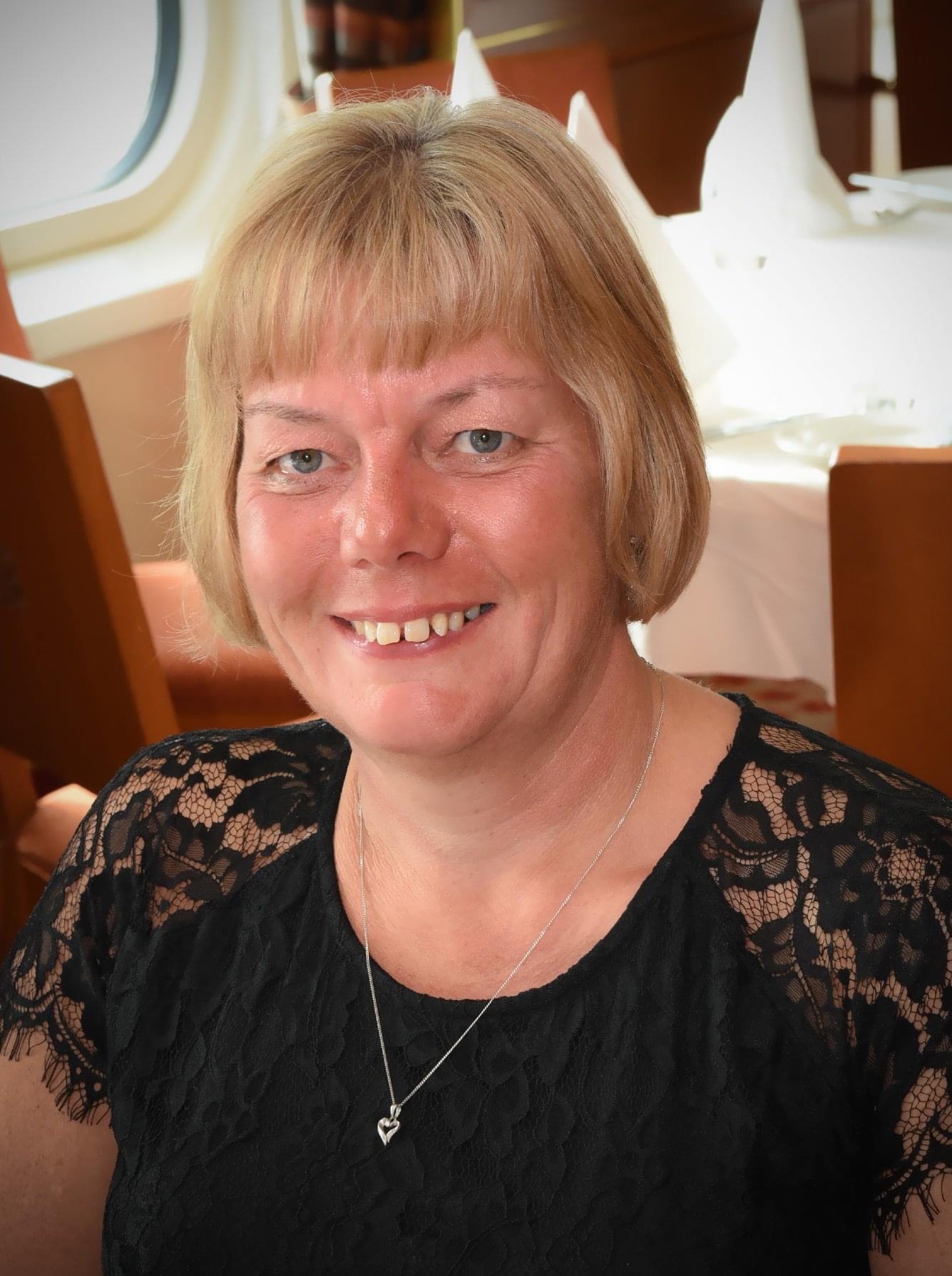
Zoe Chapman qualified as a nurse in 2007. Zoe was nurse within Health Care of Older Adults ward for 8 years where her interest in Dementia grew and she gained first line experience of working with people with dementia.
Zoe was part in the Care Home Liaison Project, which involved supporting care homes with anticipatory care plans and RESPECT forms for their residents with the focus on hospital avoidance.
Zoe then moved to a new role in the hospital frailty team as the clinical nurse specialist, COVID took her back to the front line and the challenges and the impact for patients and families of those with dementia. Post pandemic she was involved in minimising falls in the hospital, Zoe also led with the writing of guidelines and pathways to support patients in hospital with dementia and or delirium.
In 2022, Zoe got the role of Dementia specialist nurse in the Trust safeguarding team. One of Zoe’s focus is using her knowledge to improve the experience of patient and families in the Acute Trust using Non-drug Based care to Support the Wellbeing of People Living with Dementia when in hospital.
26th March 2024
Jill Quinn, Founder and CEO, Dementia Forward (CONFIRMED)
Jill Quinn, Founder and CEO, Dementia Forward (CONFIRMED)
Clare Clarke, Heritage and Partnerships Lead, Northampton Saints Foundation (CONFIRMED)
Dawn Bere, Youth Counselor and Wellbeing Lead, Northampton Saints Foundation (CONFIRMED)
Michelle Reshef, Founder, Dementia Prevention UK (CONFIRMED)
Nicci Gerrard, former carer, John’s Campaign (CONFIRMED)
Teresa Keegal, Community Dementia Practitioner, Hounslow & Richmond Community Healthcare NHS Trust (CONFIRMED)
This topic will deal with new advances of investigations and new treatments for Alzheimer’s dementia.
Professor Farooq Khan, Clinical Lead for Dementia in the Midlands, NHS England, Birmingham and Solihull Mental Health NHS Foundation Trust (CONFIRMED)
James Brown, Co-Founder, Supersense Technologies (CONFIRMED)
Kerri Sparrowe, Care Needs Coordinator & Dementia Lead, Guild Care (CONFIRMED)
This session will provide you with the opportunity to discuss the main challenges you face in dementia care – from new policies and procedures to effective activities and participation with people living with dementia. This is your opportunity to share experiences, insights, and innovative solutions.
Richard Cheston, Professor of Dementia Research, UWE Bristol (CONFIRMED)
Emily Dodd, Senior Research Fellow, UWE Bristol (CONFIRMED)
Gemma Del Toro, Clinical Lead, Dementia Palliative Care Team, Derbyshire Community Health Services NHS Foundation Trust (CONFIRMED)
*programme subject to change without notice
26th March 2024
For more information or to make a booking please call 0330 058 4285
Get Involved – Partnership Opportunities
For further information on speaking, sponsorship or visibility opportunities, and to discuss how you can maximise the value of your involvement, please contact 0330 0584 285 or email sponsorship@governmentevents.co.uk
For more information or to register your interest in this event, please contact us using the details below:
Emily Hall, Event Manager
Email: Emily Hall
Tel: +44 (0)330 058 4285
What to expect:
For more information about this online event, please contact Ellie Taylor